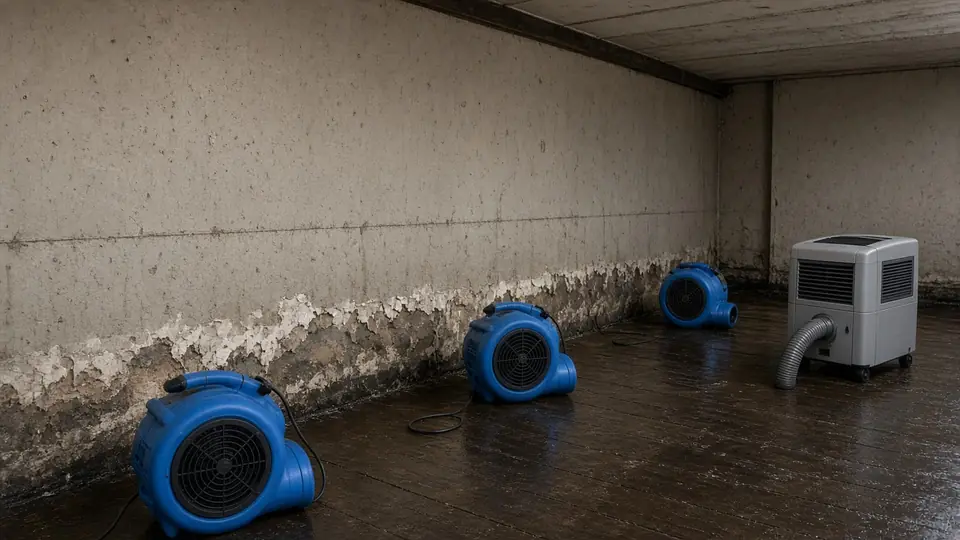
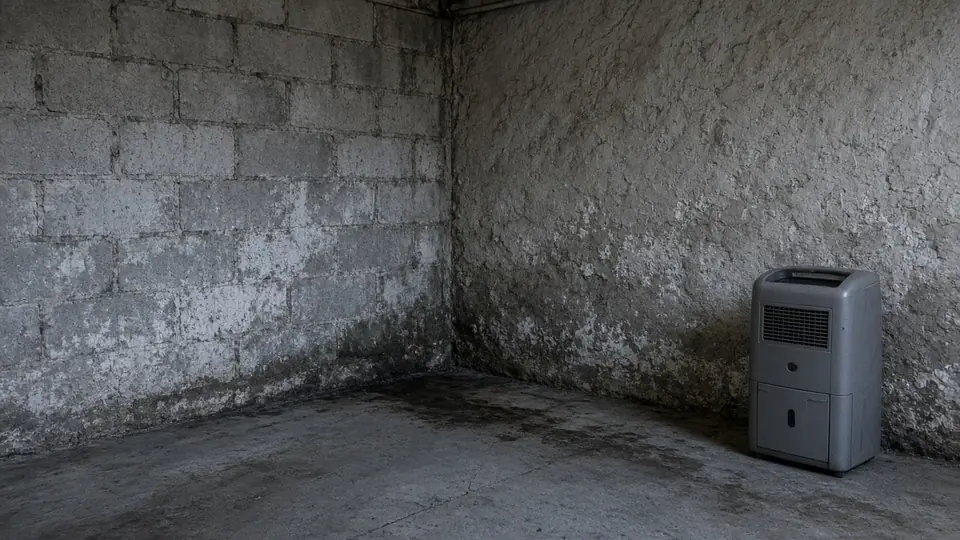
The finished basement is wet today, and the next rain will test it again
Wet carpet and drywall do not wait. The EPA says wet areas need drying in 24 to 48 hours, and in a finished basement nobody is standing there to notice. Tell us when the water came and where it showed. If it keeps coming back, ask for the assessment as well.
How long do I have before wet carpet turns into a mold problem?
The EPA says wet areas and items need drying in 24 to 48 hours. Materials dried that fast usually will not grow mold. Start now and keep your photos.
Should I dry before the assessment?
For a recent single leak, yes. If the same rain has done it before, start drying and book the assessment as well, and keep dated photos and the drying readings for the assessor.
What if the water came up a drain?
Tell the company before they start. The EPA says sewage or contaminated water needs a professional with that experience.
Will drying stop it happening again?
No. Drying removes the water that is there. Ask where it got in, and book the assessment if it keeps returning.
Will the carpet and drywall be saved?
Maybe not. The EPA says porous items can need discarding once moldy. Ask for readings and a record of everything that went in the bin.
I found the water days late. Is it too late?
Tell the company how late it was. Late finds may need more removed. Ask for an assessment if a smell stays after drying.
Who sets the price for drying?
The drying company does. You agree it with them directly, so ask what the readings and the equipment days will include. Get it in writing before work starts.
By source
What each source changes in the drying
A
A fault in the house
Dry the space, then close the fault. A leader or sump that stays open soaks the same wall again.
B
Street drainage
Drying handles today's water, not the street. Ask the assessor what is worth drying behind finishes if the next ordinary rain returns.
C
Up a drain
Water that rose from a drain is not a drying job first. The EPA points you to someone who has handled contaminated water before.
D
No live source
If the space already dried and the smell lingers, an assessor can check what stayed wet.
Rain arrivesNote the date. It is the first thing the assessor will ask.
Nobody is thereCheck the lower level after every heavy rain, even when the house feels dry.
The 24 to 48 hour markThis is the EPA's window for drying wet items.
Found laterIf you find it late, say so. It changes what has to come out.
Signs
When the water is still sitting there
Standing water or a wet floorPhotograph it from a dry spot with the time, then get it dried. Keep clear of outlets and cords in the water. Do not wait for the next rain to decide.
Carpet that squelchesCarpet and pad can stay wet after the top feels dry.
Cold, damp air downstairsA lower level that feels clammy days later may still have water somewhere.
Baseboards that swell or liftWet drywall and trim give the first visible sign.
Water after an ordinary rainSay so. The cause matters more than the drying.
What it covers
What a drying job includes
Water removalStanding water is taken out first.
Moisture mappingReadings show where the walls and floor are still wet.
Air movement and dehumidifyingEquipment runs until the readings come down.
Taking out what will not dryPorous items that cannot be dried in time are removed.
A final readingThe contractor records when the space reads dry.
The sequence
The days of a drying job, in order
Note the timeWrite down when the water came and when you found it.
Book the dryingAsk for moisture readings before and after.
Ask where it came fromFind out whether a leader, the sump or a drain let it in.
Add the assessmentIf the water keeps coming back, book the assessment afterward.
Where you are
The order that avoids buying the job twice
Three steps, in this order. Drying can come first when the water was one recent leak.
01
Diagnose and assess
Find what keeps bringing the water back, then book an assessment. The assessment tells you what is affected.
02
A separate company removes
A different company removes what the assessment found. Ask for the scope in writing.
03
Dry, then fix the path
This page
Dry the space and close the path the water took. Otherwise the next ordinary rain can bring it back.
You cannot undo the rain, but you can shorten the time the water sits. Stay away from wet outlets, cords and the panel, and have an electrician look before you go down. Then lift what you can off the wet floor, and keep photographs with the time on them.
If the water rose through a floor drain or toilet, stop here and say so. The EPA says sewage or other contaminated water needs a professional with that experience. Ask who that is before you bring in anyone to dry.
Call or send your details. Request readings when the work starts and again when it ends.
What drying cannot do
Drying handles the water that is there. It does not stop the next rain from arriving by the same path. In the area the Village's study examined, the model shows surcharging at several points in a 1-year storm, and first floors stand above smaller flood limits. Water that stays low lands in the finished basement and the garage.
So ask the drying company where the water got in, even though that is not their job to fix. If the answer is unclear, book the assessment next. Drying that is followed by no diagnosis is a good way to buy the same job again.
Dry first, or assess first
When the water was one recent leak, dry first and assess after. Waiting costs you hours the EPA says matter.
When the same ordinary rain has done it before, start the drying inside the EPA window and book the assessment as well. Keep dated photos, and have the drying company note moisture readings on arrival and at the last visit, so the assessor can see what was wet. Tell us which case yours is and we will help you book in that order.
After the readings come down
A dry reading is the start of a decision, not the end of one. Ask whether carpet and pad should go back at all. Ask whether a smell that remains means something stayed wet.
If anything is still wrong, ask for the assessment and for a company other than the dryer to check it.
Paperwork
Records to keep after drying
Dated photosTaken before anything was moved.
Moisture readingsStart and finish, room by room.
What was removedA list of the porous items that went.
The final dry readingThe record that the space reached dry.