Skip to the page
Mold RemovalScarsdale
(315) 640-3590
Tap to call
Menu

City

Rye basement water that returns: ask why before you pay for finishes

If the same Rye basement gets wet or smells musty again, find out why before you pay to replace the carpet and drywall. Tell us what happened, and we help you book an assessment first, with removal or drying from a separate company after.

Ask what keeps the water coming back

Ask what keeps the water coming back. Asking commits you to nothing.

We help you find out what keeps sending water downstairs and get an assessment booked first, with any removal or drying from a different company after it.

Ask what keeps the water coming back

Tell us what you see. Name, phone and address are enough to start.

TermsPrivacy Policy

In writing, before you book

  • Asking us costs nothing and binds you to nothing.
  • We ask what brings the water back before anyone cuts.
  • Whoever checks the result is not who removed the mold.
  • The $100 is applied the way our Terms page sets it out.

Each contractor answers for the work under their own contract.

Mold Removal Scarsdale, (315) 640-3590

How this promise is scoped
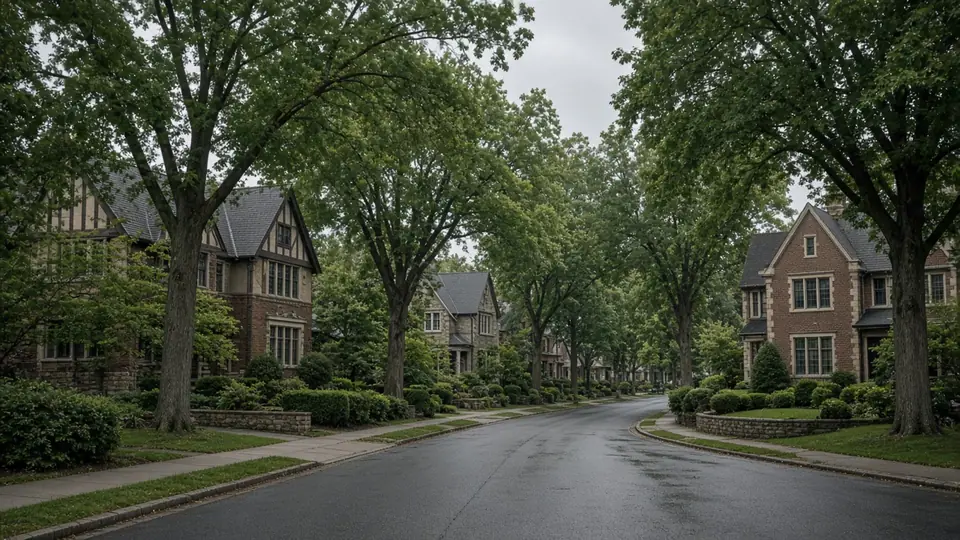
Tree-lined street of Tudor-style and brick houses with the road dark and wet after rain

Who handles permits in Rye

Questions

Answers before your first call in Rye

Does Rye's flood map tell me whether my basement will take water?

Not by itself. Rye told the county that its 2007 map lowered Blind Brook flood elevations south of I-95, and the April 2007 flood fit the older elevations better. Treat a map zone as a first guess. Write down what your basement has actually done in past rains and give that list to the assessor.

Which Rye office do I call about floodplain rules for my lot?

Rye's Building and Planning Department is responsible for floodplain management, and the City Building Department issues building permits. Call the one that fits your question before you plan structural work.

My Rye house was rebuilt recently. Should I still ask about water?

Yes. Rye says new homes are built flood resistant, but a rebuild can sit on an older foundation, and an addition can join an old wall. Ask which parts are new and ask the assessor to look at where old meets new.

I am buying a Rye house with a finished basement. What should I ask?

Ask the seller to explain every yes on the water questions, ask what was repaired and when, and ask whether a mold test report exists. If a stain or fresh paint turns up, book the assessment before your contract becomes binding.

Should a mold test come first?

Rarely. The state Labor Department calls sampling unnecessary in most cases. What matters is where the moisture comes from, and an assessor can work that out on site.

Water and houses

The water and the houses in Rye

Water here

State and county records tie Rye's flooding to Blind Brook and downtown, with undersized crossings that choke high water. Residents also report storm drains that overflow near the marina.

The houses

Rye has about 6,150 homes with a median build year of 1957, and owners live in 71 percent of occupied homes. The City says tear-downs and rebuilds are common.

Selling or buying

Selling or buying in Rye

The sale

Rye says its 2007 flood maps lowered Blind Brook flood elevations south of I-95, and the April 2007 flood fit the older elevations better. A buyer reading a map zone should ask what the house actually did in past storms.

Who to call

The Building and Planning Department handles floodplain management. Rye requires new floors two feet above base flood elevation, and about a dozen homes were elevated after the 2007 floods, paid for by owners.

The local job

What changes the job in Rye

Rye is a city, so the decisions that touch your basement sit with City offices rather than a village board. A permit for repairs or a rebuild goes through the City Building Department. Questions about floodplain rules go to a different desk, so ask which office you need before you plan the work.

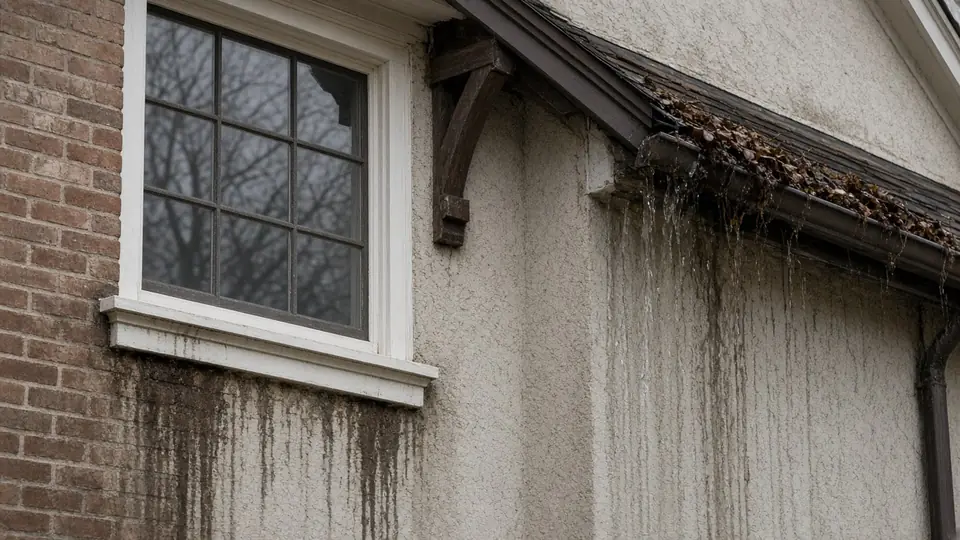
Overflowing gutter with wet leaves and water streaking down a stucco wall, dark runs under a window sill

The more useful question starts inside the house. A wet lower level in Rye can come from three places: a fault in the building, water that the street and the brook could not carry away, or a drain that carried it in. Each one changes what is worth spending on the walls and floor. Ask an assessor to say which one it is, and ask for it in the report.

Before you call, answer the form's five questions with dates: earlier water, which rain, a drain, finished walls, a sale. That shortens the first visit.

Finished lower levels hide the problem. Nobody sits in the room when the water arrives, so the first sign is often a smell, a soft baseboard or a stain a few days later. By then the drying window has usually closed, and the work becomes removal. Tell us early, and book the assessment before the remover.

Expect that the answer may be small. A damp smell in a Rye basement can trace to a gutter, a grade or a dehumidifier problem, and then the right answer is a small repair. An assessment that finds no live source is a good result, and it saves you from paying for finishes twice.

Selling or buying a Rye house with a wet past

New York's property condition disclosure form asks sellers about standing water, flooding, drainage problems and water coming through the walls. A state law added the flood questions, and the seller must deliver the form before the buyer signs a binding contract. These are state rules, not Rye rules.

If you are selling, answer from what you actually know. When you do not know why the lower level got wet, an assessment can give you a factual answer to put on paper. Do not repaint a stain and hope it passes.

If you are buying, read the water answers closely and ask what was repaired and when. Ask whether a report exists, because the form also asks whether the home was tested for indoor mold. A stain, a new coat of paint or fresh carpet in a basement is a reason to ask one more question.

If you are rebuilding or buying a rebuilt house, ask what sits under the new work. A new floor can cover an old foundation wall that was wet for years. Ask the assessor to look at the joint between old and new, and keep the report with your house papers.

Send the date, the rain and the room through the form on this page.

Three jobs

Three jobs for a Rye house

Choose the job that matches where you are: find the source, plan what comes out, or dry a wet room now.

Rye basement trouble? Start the form with the rain date.