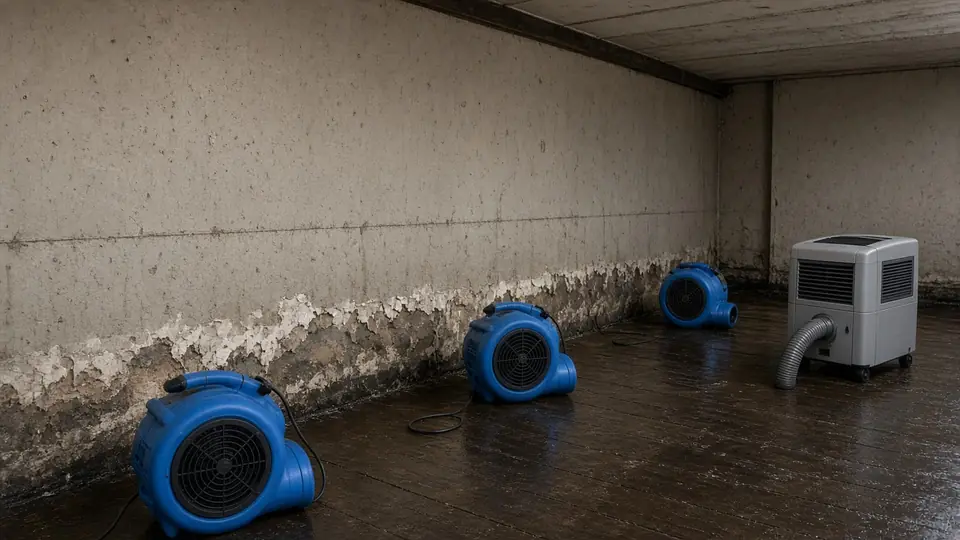
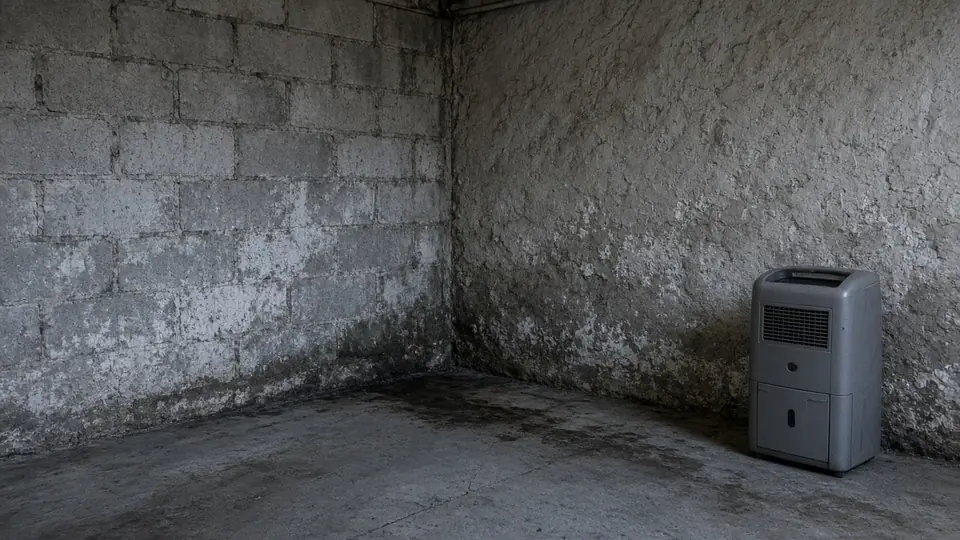
Wet basement drying in Harrison, and what to do when the water came up a drain
Water has reached your Harrison basement or garage, and you may not know whether it came from outside or from a drain. Tell us what is wet and what you saw, and ask for drying to start inside the EPA's one to two days.
Before you commit to water damage drying in Harrison
How fast should a wet Harrison basement be dried?
The EPA says one to two days. If you are past that window, tell the drying company the real timeline and ask what can still be saved.
Does Purchase being a state-listed high risk area change my drying plan?
No. The listing describes a river area. Your plan depends on what the water touched, how long it sat and whether it came through a drain.
Should I book drying or the assessment first?
If the water was a single new event, dry first. If it has come before, book the assessment too, and hand the assessor your dated photos and the drying sheets.
Signs
When Harrison damp becomes a case for water damage drying
Water or odor rose through a floor drainThat water has been in a pipe. Do not wash it away yourself, and say first that it came from a drain.
The floor dried by morning but the walls feel coolMoisture can stay in drywall and the bottoms of cabinets. Ask for readings before anyone paints or closes a wall.
The garage slab is damp as wellTell whoever dries the house about every wet area. Water often reaches more than one space. Keep out of a room where water stands near outlets.
It happened after ordinary rainDry the space now and write down the rain. A repeat is a reason to book the assessment too.
When a Harrison basement fills through a drain, drying is the second job
Harrison's plan calls its sewage and drainage systems outdated and inefficient. It does not say your drain failed. But if water or odor came up a drain in your basement, ask for a professional who works with contaminated water, as the EPA advises. That is a different scope from drying rain that came through a wall.
Tell the person you call that the water came through a drain, and say it in your first sentence. Ask whether the specialist or the drying company handles the floor, the wall bottoms and the contents, and who documents the readings. Then ask the assessor to look for the cause once the room is stable.
Purchase, the start of the Mamaroneck River and your own wet floor
The state places the Mamaroneck River's headwaters in Harrison and lists a high risk area in the hamlet of Purchase. That is information about a waterway. A wet basement in West Harrison or downtown Harrison may have nothing to do with it.
What matters for drying is what the water touched and for how long. Note the room, the materials and the hours. If you are not sure when it began, say so. An honest estimate helps a drying company set up, and it protects you if the room needs a second look later.
If others use the house, tell them what happened and keep them out of the wet room. A note on the door costs nothing.
Keep a first-two-days record for Harrison drying and for any assessor
The EPA advises that wet areas be dried within one to two days. Materials dried that fast seldom grow mold. If you are past that, ask what can be saved and what the drying company would replace.
Photograph each wet area with the date showing, and keep the files together in one folder. Ask the drying company to write down what it measured on arrival and on the last visit. If the water returns after a later rain, hand both sheets to the assessor. They show what dried, how fast and where the moisture lingered, which narrows the search for the source.
Do not rush the repairs. New drywall over a wall that still reads wet only buries the problem. Wait for the readings to settle, then close the wall, and ask the drying company to tell you in writing when the space is ready.