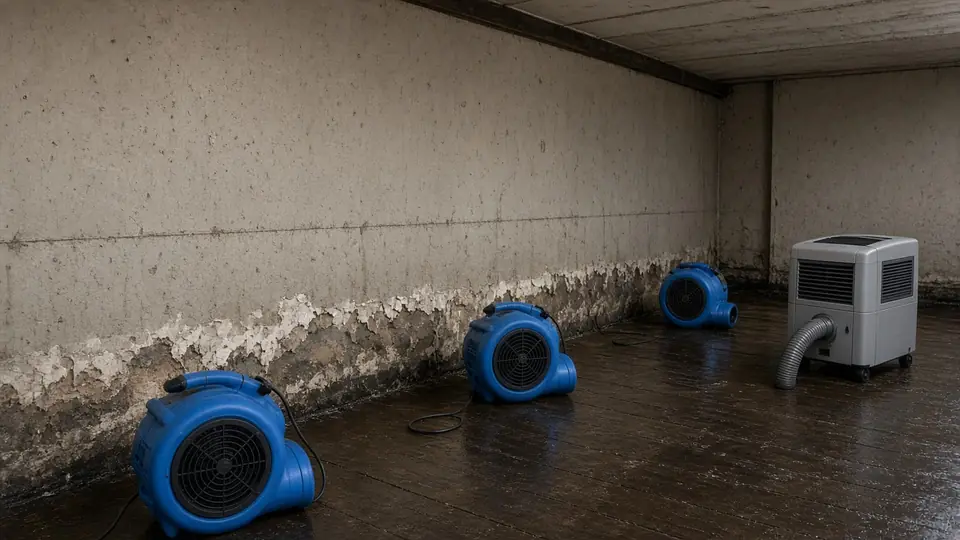
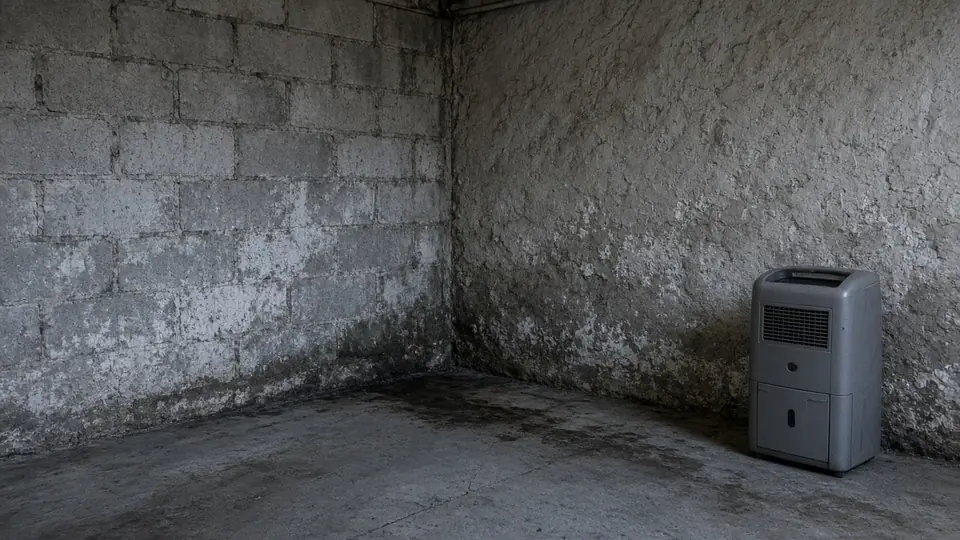
Flooded basement cleanup in White Plains: dry it first, then ask why it came
Water reached your White Plains basement, unit or building, and the drying clock is already running. Say what is wet and since when, and ask for drying to start inside the EPA's 24 to 48 hours.
Questions about water damage drying, for White Plains
How quickly does a White Plains unit need drying after a leak?
The EPA says 24 to 48 hours. In a building, water can pass into neighboring walls and floors, so tell the owner or managing agent right away.
Do I book drying or the assessment first?
If the water came once and the source is fixed, dry first. If it has come before, book the assessment too. Keep dated photos, and ask the drying company for its readings, to give the assessor.
Can I dry a wet White Plains basement myself with rented fans?
Fans help with a small spill of rain water or tap water. If the water sat for a day or touched drywall, ask for moisture readings first, because a dry surface can hide wet material behind it.
Signs
Marks that point to water damage drying in White Plains
A bathroom or kitchen leak in an upper unitWater travels down walls and through floors. Ask neighbors below whether anything is wet on their side.
A basement floor wet after heavy rainNote which rain and whether it happened before. A repeat wetting calls for the assessment too, not drying alone. Keep clear of water near outlets or the panel.
Water that came up a drainThat water has traveled through a pipe. Do not wash it away yourself, and tell whoever you call that it came from a drain.
A wall that looks dry but feels coolMoisture can sit inside drywall after the surface dries. Ask for readings, not a glance, before anyone repaints.
The Bronx River study and your wet White Plains basement
The state's Bronx River study flags a stretch shared by White Plains and Greenburgh, running from Interstate 287 down to the Main Street bridge, as a high risk area. It also recommends replacing the bridges that carry Main Street and Central Avenue. That is a finding about a river stretch.
It says nothing about the pipe under your sink, the window well at your foundation or the roof above you. If your basement is wet, start with what the water touched and when it arrived, then decide whether this is a one-time event or a repeat.
A parkway is a road and your wall is a wall
The City told the county plan that its flood-prone areas include stretches of the Bronx River Parkway and the Central Westchester Parkway. Those are roads. It says nothing about your address.
It does mean the City told the county plan it tracks properties damaged by floods, so you can ask what it holds. If you can trace your water to a roofline, a supply pipe or a drain, ask your drying contractor to write that down. That note tells the assessor where to look if the water comes back after a later rain.
Drying in a White Plains building where the water travels
The EPA advises drying water-damaged areas within one to two days, since materials dried that fast rarely grow mold. In a building with shared floors and walls, the water you can see may be only part of it. Ask neighbors below and beside you what they see.
Write down the order of events while it is fresh: when you heard or smelled something, when you shut off the water if a pipe was involved, and when anyone else noticed. A clear timeline helps the drying company choose where to put equipment and helps the owner find where the water began.
If the water came up a drain, the EPA says to use a professional experienced in cleaning contaminated water, which is a different job from rain that came through a wall. Photograph everything with dates showing, send your owner or managing agent a short message at once, and ask the drying company for its readings on arrival and on the last visit.